If you’re feeling overwhelmed, mentally exhausted, or trying to navigate one of life’s major life transitions, you’re not alone. The Complete Guide to Creating Support for Real Life explores practical ways to create healthy routines, supportive habits, and everyday practices that help you feel steadier—even when life feels full. For me, full means working four nine-hour days and one shorter day at my full-time job, then pouring evenings and weekends into building Live Thrive Travel. Add in time with my husband, adult children, and grandchildren, and it often feels like there’s no room left to breathe. But mindful living has shown me I can carve out presence on a 40-minute walk during my lunch break, at the dinner table before returning to work, and in the weekend hours I protect for family. These pauses remind me that while I’m working toward solopreneurship at 62, I can still experience joy and presence today.
You may be feeling overwhelmed, juggling work, family, caregiving responsibilities, or navigating major life transitions while wondering how to slow down without falling behind. This guide shares practical ideas, healthy routines, and small daily practices that can help you create more steadiness in everyday life.
“You don’t always need more time. Sometimes you need better support.”
-Live Thrive Travel

- Why We Feel Overwhelmed—and What Actually Helps
- Healthy Daily Routines That Reduce Overwhelm
- Simple Self-Care Rituals for Busy, Overwhelmed Women
- How to Create a Calm Home When Life Feels Overwhelming
- How to Create a Restorative Staycation at Home
- How to Find Balance When Life Feels Overwhelming
- How Restorative Travel Helps You Recover from Burnout
- Simple Daily Habits That Help You Feel Less Overwhelmed
- Frequently Asked Questions About Feeling Overwhelmed and Life Transitions
- A Gentle Reminder
- You Don’t Have to Wait for Life to Slow Down
- Live it Now
Why We Feel Overwhelmed—and What Actually Helps
When you’re feeling overwhelmed, it’s easy to believe you need to do more. In reality, small, intentional changes often have the biggest impact. Instead of rushing from task to task, you begin noticing the moments that help you feel grounded, steady, and capable of moving through difficult seasons.
Creating space for peace isn’t about carving out hours. It’s about weaving presence into what you already do. When you stop to enjoy your morning coffee, stretch after a meeting, or listen fully to your child’s story, you’re practicing mindful living.
I once believed mindful living meant piling on new rituals. I corrected that misconception by realizing it’s about subtraction and removing noise so I can see what’s essential.
When you begin living with intention, you stop simply surviving the week and begin experiencing it.. Without mindful living, the cost often shows up as burnout, disconnection, or even physical strain. You may notice yourself running on autopilot, reaching the end of the week unsure of what you actually experienced. I’ve been there, pushing through long hours, skipping meals, and telling myself I’d rest “later.” Later rarely came. By the time I noticed, I was exhausted and distracted from the very relationships I wanted to protect. That’s why healthy daily routines and intentional pauses matter: They protect not just your peace but also your health and your connections. When you learn to pause, you give yourself the chance to enjoy life now, instead of postponing it for the future.

Healthy Daily Routines That Reduce Overwhelm
Healthy daily routines don’t have to be complicated. Small, intentional choices can make everyday life feel more manageable. You don’t need a complete lifestyle overhaul to see the difference.
You can:
- Start your mornings with a five-minute journaling session with Daily Greatness
- Take mindful walks instead of scrolling through your phone
- End the workday with a short gratitude reflection or a yoga session with Namaste at home
I began with ten minutes of journaling in the morning, and it grounded me more than any productivity hack ever did.
When you design your routines with intention, you feel more control over your day. You no longer live on autopilot -you live with purpose.

Simple Self-Care Rituals for Busy, Overwhelmed Women
When you’re feeling overwhelmed, simple self-care rituals can help you feel more grounded without adding another complicated routine. You don’t need spa days or elaborate routines to feel restored. These small rituals become a form of everyday support, especially during emotionally demanding seasons of life.
You can start small:
- Write down three things you’re grateful for each night
- Light a candle during an evening stretch
- Cook one meal without distractions
When I committed to a nightly wind-down ritual, I expected to feel guilty for taking time for myself. Instead, I slept better and felt lighter.
You will discover that consistent rituals, no matter how small, create lasting relief. The goal is not perfection, it’s presence.
Many people struggle with self-care because they try to do too much at once. Long routines or expensive wellness practices often feel unsustainable. The truth is, consistency matters more than extravagance. I use a simple framework to check myself before adding a new ritual:
- Simple: Does this take under 10 minutes?
- Repeatable: Can I do it on a busy workday, not just weekends?
- Affordable: Can I maintain this without straining my budget?
For example, I once bought a complex skincare set with seven steps. It worked for two weeks before I abandoned it. Now, I stick to one cleanser, one moisturizer, and a short evening stretch. This routine has lasted for months because it fits my life. You don’t need elaborate systems, you need practices that match your current season. When you keep rituals doable, they stop feeling like chores and start feeling like true support.
How to Create a Calm Home When Life Feels Overwhelming
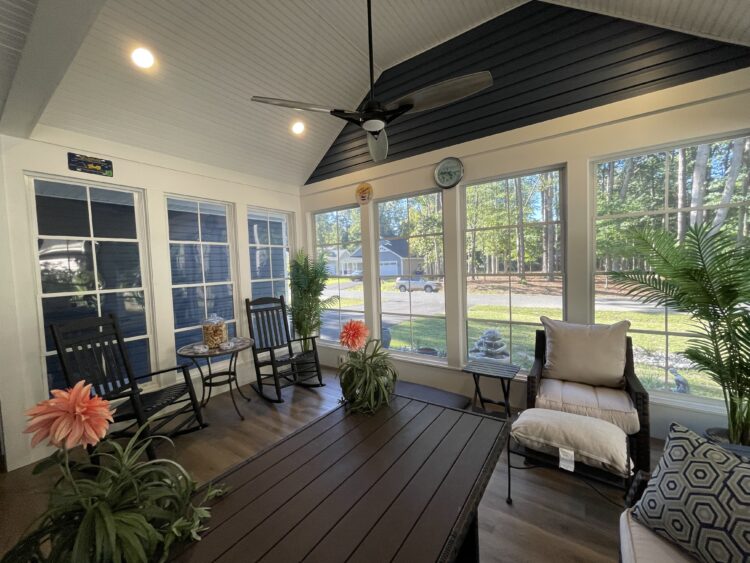
Your home can be more than a place of responsibility. With intention, it can become a daily retreat.
Consider adding:
- A reading nook with soft lighting
- Fresh flowers on your table
- An aromatherapy diffuser to shift your mood
I turned a single corner of my living room into a sanctuary with just a chair, blanket, and lamp. That space became my anchor after long workdays. The Complete Guide to Creating Support for Real Life isn’t about redecorating your whole house. It’s about starting small and layering as you go. Maybe it’s a thrifted chair, a soft lamp, or a blanket that signals rest. For me, it was a single corner near a window. At first, it was just a chair and a journal. Over time, I added a small plant and a candle. That corner became my cue to slow down. You can design your own sanctuary with what you already have. Add textures that soothe you, colors that calm you, or scents that remind you to breathe. The beauty of intentional living is that even the smallest shift (a lamp, a flower, a cup of tea) can reset your energy.
If you’d like structured guidance, explore my Home Sanctuary Guide. When your space supports balance, your energy follows.

How to Create a Restorative Staycation at Home
Vacations may not always be possible, but staycations are. You can create the feeling of retreat at home or nearby, without significant cost.
Try:
- Planning a themed dinner inspired by your favorite destination
- Enjoying a spa day at home with simple tools like candles and a face mask
- Spending Saturday afternoon picnicking in a local park
One weekend, I created a Bali-inspired evening with coconut curry, candles, and ocean sounds. I felt renewed without leaving home.
You can also enhance staycations with simple tools like an indoor or outdoor hammock or a meal subscription kit. This post may contain affiliate links. If you click through and make a purchase, I may receive a commission at no cost to you.
Creating Support Through Seasonal Staycations
Staycations can also shift with the seasons. In summer, you might enjoy backyard dinners or sunrise walks by the water. In fall, try a cozy retreat indoors with a blanket, candles, and a favorite book. Winter lends itself to spa-style evenings—think hot baths, herbal teas, and soothing playlists. Spring is perfect for picnics in the park or fresh flowers in your kitchen. I’ve found that even when my weekends are packed with work for Live Thrive Travel, setting aside a few hours for a themed staycation changes everything. Once, my grandchildren joined me for a “French café” afternoon. We baked croissants, played Parisian music, and laughed over hot chocolate. It didn’t require travel, but it brought connection and joy. When you design these experiences, you teach yourself that restoration doesn’t have to wait for vacation. It can live right where you are.

How to Find Balance When Life Feels Overwhelming
When life feels overwhelming, balance isn’t about flawless schedules. It’s about aligning your energy with your priorities.
To reclaim joy, you can:
- Protect one evening each week for rest
- Say no to commitments that don’t feel aligned
- Schedule downtime as intentionally as you schedule work
For me, balance means working full-time, building Live Thrive Travel, and still choosing to pause for family dinners or weekends with my grandchildren. I remind myself that these small pauses matter as much as the long-term goal of full time entrepreneurship at 62.
You will feel more joy when you stop chasing busyness and start noticing where you already have enough. Finding balance is especially hard when you’re carrying multiple roles. I work a full-time job, care for my family, and build Live Thrive Travel on nights and weekends. Sometimes that means missing out, like skipping a weekend outing to meet a deadline. For a while, I felt guilty about every trade-off. What helped was reframing balance as fluid. Some weeks lean heavier toward work, others toward family. Instead of perfection, I focus on presence. When I’m with my grandchildren, I put the phone down. When I’m writing, I give it my full attention. You can do the same, just define balance not as “equal time,” but as full attention in the moments you choose. That’s where joy multiplies.

How Restorative Travel Helps You Recover from Burnout
For a deeper look at how to bring these practices on the road, explore The Complete Guide to Restorative Travel. It expands on how pauses, rituals, and presence transform every trip.
To practice:
- Leave open space in your itinerary
- Journal during your trip to stay grounded
- Pause to rest instead of pushing through exhaustion
On a trip to New Mexico, I set aside my detailed itinerary for a day of wandering. That unplanned day became my favorite memory.
When you bring mindful practices with you, travel becomes less about escape and more about deep connection.
Simple Daily Habits That Help You Feel Less Overwhelmed
The Complete Guide to Creating Support for Real Life begins with a few simple daily habits. You don’t have to change everything—just start with one small practice.
- Morning Ritual: Take three deep breaths or write a single line in your journal.
- Declutter One Space: Clear a drawer or counter to create calm.
- Digital Detox: Step away from screens for an hour before bed.
- Movement: Walk outside without headphones to reconnect with nature.
- Meal Ritual: Eat slowly, savoring each bite.
- Evening Reset: Dim lights, stretch, and list what you’re grateful for.
I started with decluttering one kitchen drawer, and it gave me surprising relief and momentum.
When you take small, repeatable steps, you’ll see how accessible healthy daily routines can be.
Frequently Asked Questions About Feeling Overwhelmed and Life Transitions
How do you stop feeling overwhelmed during a difficult season? Creating support through small rituals, intentional pauses, and supportive routines can help you manage energy during stressful seasons. These simple practices reduce exhaustion, create stability, and make difficult seasons easier to navigate.
Is it expensive to create a home sanctuary? No. You can use what you already have (candles, flowers, or decluttering) to create peace without spending much.
What if I’m too overwhelmed to start a new routine? Start with just five minutes. Even one intentional pause each day can help you feel more grounded and supported during a busy season of life.
Can you pursue big goals and still support yourself? Absolutely. Creating support for real life isn’t about lowering your ambitions. It’s about building routines, rituals, and moments of renewal that help you pursue your goals without sacrificing your well-being.
How do I start if my family isn’t supportive? Begin small and personal. Light a candle, journal for five minutes, or take a walk alone. Over time, your presence will benefit your family, and they may naturally become curious or join in.
What’s the difference between everyday support and restorative travel? Everyday support helps you navigate life where you are through supportive routines, rituals, and intentional choices. Restorative travel provides space for renewal away from daily responsibilities. Together, they help create a life with more steadiness, comfort, and resilience.
What are the signs of mental exhaustion? Mental exhaustion often feels like more than ordinary tiredness. You may find it difficult to concentrate, make simple decisions, stay motivated, or enjoy activities you normally love. Feeling emotionally drained, overwhelmed by everyday responsibilities, or constantly running on autopilot are also common signs. If you’re experiencing mental exhaustion, it may be a signal that your mind and body need more rest, healthier routines, and small moments of support rather than simply pushing harder.
A Gentle Reminder
The ideas shared throughout Live Thrive Travel are based on my personal experiences and are intended to encourage everyday practices that may help you feel more supported. They are not a substitute for professional medical, mental health, or financial advice. If you’re experiencing persistent mental exhaustion, depression, anxiety, or emotional distress, please reach out to a qualified healthcare or mental health professional. For additional information about creating a healthy home environment and supporting your mental well-being, I also recommend this resource from Verywell Mind on home and mental health.
You Don’t Have to Wait for Life to Slow Down
If you’re feeling overwhelmed today, remember that you don’t have to change your entire life to feel more supported. Support doesn’t have to be complicated. It begins with one thoughtful choice, repeated over time.
Live it Now
- Choose one ritual to begin today.
- Create one peaceful corner in your home.
- Protect one pause in your week for presence.